24/7
Emergency Services Available
Replace or Upgrade Your Water Heater
Water Heater Installation in Newton for aging tanks, insufficient hot water supply, and energy-efficient upgrades to tankless or high-efficiency models
Anderson Plumbing, LLC installs both traditional tank-style and tankless water heaters in Newton homes. You might be dealing with a unit that's more than ten years old and starting to show rust around the base, a household that's outgrown a 40-gallon tank now that teenagers are taking longer showers, or a utility bill that's climbing because an older heater runs constantly to maintain temperature. Replacing the water heater before it fails prevents interior water damage and restores consistent hot water for showers, laundry, and dishwashing.
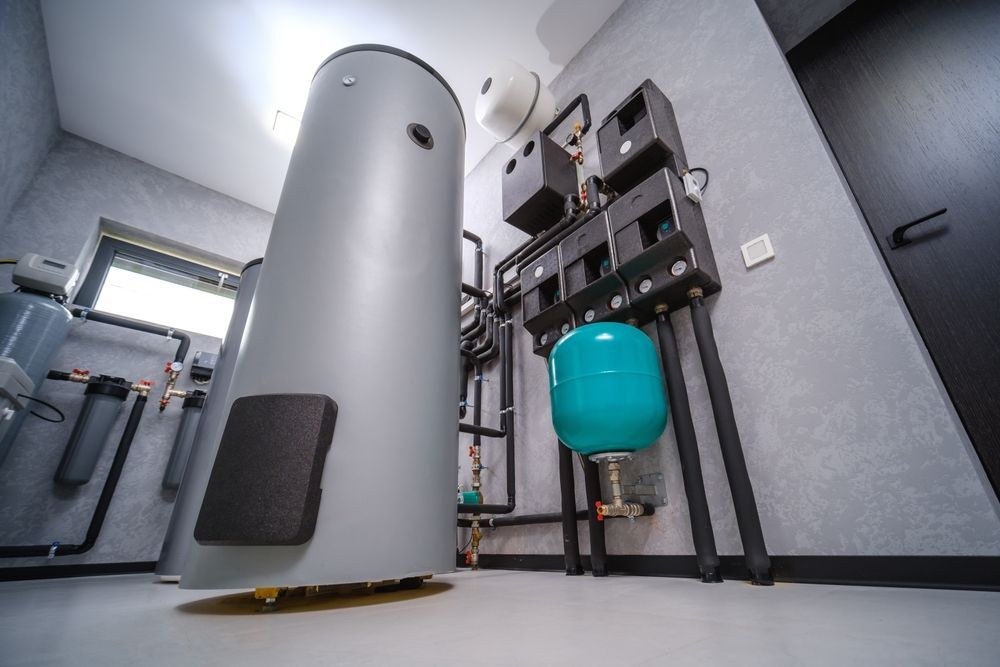
Water heater installation begins with shutting off the gas or electric supply and draining the old tank completely. The old unit is disconnected from the water lines and fuel source, then removed. The new heater is positioned, leveled, and connected to existing supply and discharge piping. Gas units require proper venting through existing flue pipes or new PVC vent terminations if you're switching to a power-vent model. Electric units are wired to a dedicated circuit breaker. Tankless installations involve mounting the unit on the wall, running larger gas lines if needed to support the higher BTU demand, and installing inlet filters to protect the heat exchanger from sediment.
Contact Anderson Plumbing, LLC to discuss sizing, fuel type, and installation options before your current water heater stops working in Newton.
What Changes After the New Unit Is Installed
You'll have reliable hot water at the temperature you set, without the fluctuations or lukewarm showers that signal a failing heating element or sediment buildup. A properly sized tank delivers enough hot water for back-to-back showers and a load of laundry without running out. Tankless units provide hot water on demand without storing it, which eliminates standby heat loss and reduces energy costs if your household uses hot water in shorter, spread-out intervals rather than all at once.
Anderson Plumbing, LLC sizes the replacement based on your household's peak demand, factoring in the number of bathrooms, appliances, and simultaneous uses. You'll also see a pressure relief valve installed on the cold inlet side and a drain valve at the base for future maintenance. Gas installations include a sediment trap on the supply line to protect the burner, and all connections are tested for leaks using soapy water or a gas detector. Electric models are checked to ensure both heating elements are cycling correctly and the thermostat is calibrated.
The installation also includes setting the thermostat to 120 degrees to prevent scalding and reduce energy use, and confirming the discharge pipe from the pressure relief valve terminates safely near the floor. If your home has hard water, a water softener or inline filter may be recommended to extend the life of the new tank or tankless unit. The old water heater is hauled away as part of the service.
Questions About Water Heater Replacement
Homeowners often ask about sizing, efficiency differences, and how long the installation process takes when replacing an existing unit.
How do I know what size water heater I need?
Tank size is based on the number of people in your home and peak hot water usage, with 40 gallons typically serving two people and 50 to 80 gallons needed for larger households.
What is the difference between tank and tankless models?
Tank heaters store hot water and are less expensive upfront, while tankless units heat water on demand, take up less space, and use less energy if your usage pattern fits their output capacity.
How long does a water heater installation take in Newton?
Most tank replacements take three to five hours including removal, installation, and testing, while tankless installs may take longer if gas line upgrades or electrical work is required.
Why does a new water heater need a pressure relief valve?
The valve releases pressure if the tank overheats or pressure builds beyond safe limits, preventing tank rupture and water damage.
When should I replace instead of repair?
If your tank is over ten years old, leaking from the base, or requiring repeated element or thermostat replacements, installing a new unit is safer and more cost-effective than ongoing repairs.
If your water heater isn't keeping up with demand or you're ready to upgrade to a more efficient model, reach out to Anderson Plumbing, LLC to schedule an installation in Newton.